Category: Italy Jobs

  • Caregiver Jobs in Italy 2026 – Visa Sponsorship, Apply Now

    Caregiver Jobs in Italy 2026 – Visa Sponsorship, Apply Now

    Italy has one of the oldest populations in the world. With over 23% of its population aged 65 and over, and a national healthcare system that relies heavily on private home care, the demand for caregivers — known in Italy as badanti — has never been higher. Caregiver jobs in Italy 2026 offer something rare in the job market: work that is deeply meaningful, consistently in demand, reasonably well paid, and one of the clearest visa pathways available to non-EU workers.

    If you’re a compassionate, patient person who wants to make a real difference in someone’s daily life while building a stable future in Italy, this guide was written for you.

    Italy’s Elderly Care Crisis – Why Caregivers Are in High Demand

    Italy faces a genuine care crisis. The combination of an aging population, smaller family sizes, and increasing female workforce participation means that millions of elderly Italians can no longer rely solely on family for daily care. The numbers tell a stark story:

    • Over 14 million Italians are over 65 — projected to exceed 18 million by 2030
    • Italy has approximately 1 million registered badanti (care assistants)
    • Experts estimate the actual need exceeds 2 million caregivers nationally
    • Over 80% of registered caregivers in Italy are foreign nationals

    For foreign workers, this gap represents a massive opportunity — not just for employment, but for long-term legal residency and genuine human connection.

    What Does a Caregiver (Badante) Do in Italy?

    Live-In Caregiver

    A live-in badante lives with the elderly person (or their family) and provides round-the-clock assistance. Duties typically include:

    • Personal hygiene assistance (washing, dressing, grooming)
    • Medication reminders and monitoring health conditions
    • Meal preparation and ensuring proper nutrition
    • Light housekeeping and laundry
    • Accompanying to medical appointments and daily outings
    • Emotional companionship and cognitive stimulation activities

    Live-Out / Day Caregiver

    Day caregivers work set hours (typically 6–8 hours/day) and return to their own home. This arrangement is more common in urban areas where elderly people have some degree of independence.

    Caregiver Salary in Italy 2026

    Caregivers in Italy are covered by the CCNL Lavoro Domestico (Domestic Work Agreement), which sets legally enforceable minimum wages:

    • Live-in caregiver (with accommodation & meals provided): €900 – €1,300/month cash + housing
    • Live-out caregiver (full-time, 40 hrs/week): €1,300 – €1,700/month
    • Experienced / specialized caregiver (dementia, post-surgical care): €1,600 – €2,200/month
    • Caregiver agency coordinator / team lead: €2,000 – €2,800/month

    Live-in caregivers effectively receive additional compensation in the form of free accommodation and meals — in Italian cities, this can represent €700–€1,200/month in real value on top of cash salary.

    Additionally, Italian law mandates that caregivers receive paid annual leave, sick pay, overtime compensation, and a thirteenth-month salary (tredicesima) — a Christmas bonus equivalent to one month’s wages.

    Real Story: Elena’s Journey from Philippines to Florence

    Elena, 43, from the Philippines, arrived in Italy in 2018 as a live-in caregiver for an 84-year-old Florentine woman with early-stage dementia. She earned €1,100/month in cash with full accommodation and meals. Over six years, she became part of the family — attending birthday celebrations, accompanying her patient to church, and teaching her grandchildren to cook Filipino rice dishes. When her patient passed away in 2023, the family helped Elena find her next position and wrote her a glowing reference. ‘I didn’t just find a job in Italy,’ Elena says. ‘I found a second family and a country I love.’

    Stories like Elena’s are why caregiver work in Italy carries a uniquely human dimension that few other jobs can match.

    Italy Work Visa for Caregivers 2026

    Domestic Worker / Caregiver Quota – Decreto Flussi

    Italy’s Decreto Flussi consistently includes one of the largest quotas for domestic workers and caregivers, reflecting the country’s acute need. The pathway:

    • An Italian family or individual (the employer) files a hiring authorization for you
    • The Sportello Unico Immigrazione processes the nulla osta
    • You are notified and apply for a work visa at the Italian consulate in your country
    • Upon arrival in Italy, you register at the Questura for your permesso di soggiorno

    Badante Visa – Special Provisions

    Italy has specific provisions recognizing the social importance of caregiving. The domestic/caregiver work permit can be renewed as long as the employment continues, and after 5 years of legal residence, you are eligible for an EU long-term residence permit.

    Qualifications That Boost Your Chances

    While no formal qualification is legally required for most badante roles, the following significantly improve your employment prospects and salary:

    • OSS Certificate (Operatore Socio Sanitario) — Italy’s recognized care assistant qualification
    • First aid certification
    • Alzheimer’s and dementia care training
    • Italian language proficiency (B1 level strongly recommended)
    • Driving license (essential for rural areas and frequent medical appointments)

    How to Apply for Caregiver Jobs in Italy 2026

    • Prepare a detailed CV including any care, nursing, or domestic experience
    • Get reference letters from previous employers (families or medical institutions)
    • Search on: Badacare.it, Assistenza Anziani.it, Domestica.it, InfoJobs.it
    • Register with caregiver placement agencies: AssoBadanti, ColfService, Badante.it
    • Contact Italian immigrant worker associations who provide placement support
    • Reach out to Italian families directly through expat and care community forums

    Frequently Asked Questions

    Q: What languages do I need to be a caregiver in Italy?

    A: Italian is important for communicating with elderly patients and their families. B1 level Italian is strongly recommended. Many Filipino, Romanian, and Ukrainian caregivers learn Italian quickly through immersion — language apps and evening classes help enormously.

    Q: Is live-in caregiving in Italy safe and legally protected?

    A: Yes. Italy has specific legal protections for domestic workers and caregivers under the CCNL Lavoro Domestico. You have the right to a written contract, rest periods, annual leave, and a separate sleeping space. Always insist on a formal contract.

    Q: Can I bring my family to Italy on a caregiver visa?

    A: After 12 months of legal residence and employment, you can apply for family reunification (ricongiungimento familiare) to bring your spouse and dependent children.

    Q: Is there demand for male caregivers in Italy?

    A: Yes, particularly for elderly male patients or those requiring physical assistance with mobility. Male caregivers with nursing or care backgrounds are in strong demand and often command slightly higher salaries.

    Q: What happens if my patient passes away or no longer needs care?

    A: Your employment contract will specify terms for notice and severance. Many Italian families help place departing caregivers with new employers. You can also register with placement agencies who actively match available caregivers with new families.

    The Most Human Job in the World

    Caregiving is, at its core, an act of love expressed professionally. In a world increasingly dominated by screens and automation, the work of a badante is irreplaceably human. You are the person who holds someone’s hand when they’re confused, who remembers how they take their coffee, who makes sure they don’t feel alone at the end of a long life.

    Italy — a country that reveres its elderly, that places family at the center of its culture, that understands the profound value of human connection — is perhaps the most fitting place in the world to do this work. If you have the heart for it, Italy has the need, the legal framework, and the appreciation for what you offer.

    Apply today. Someone in Italy needs exactly what you have to give.

    Conclusion

    Caregiver jobs in Italy 2026 represent one of the most humane, stable, and legally supported employment opportunities available to foreign workers in Europe. With over a million care vacancies, one of the most accessible visa pathways under the Decreto Flussi, regulated wages, legally mandated benefits, and the unmatched personal reward of making a profound difference in someone’s daily life, there is no better time to apply. Prepare your documents, reach out to employers and agencies, and take that first step toward a career — and a life — you’ll be proud of.

  • Cleaning Jobs in Italy 2026 – No Experience Required, Apply Today

    Cleaning Jobs in Italy 2026 – No Experience Required, Apply Today

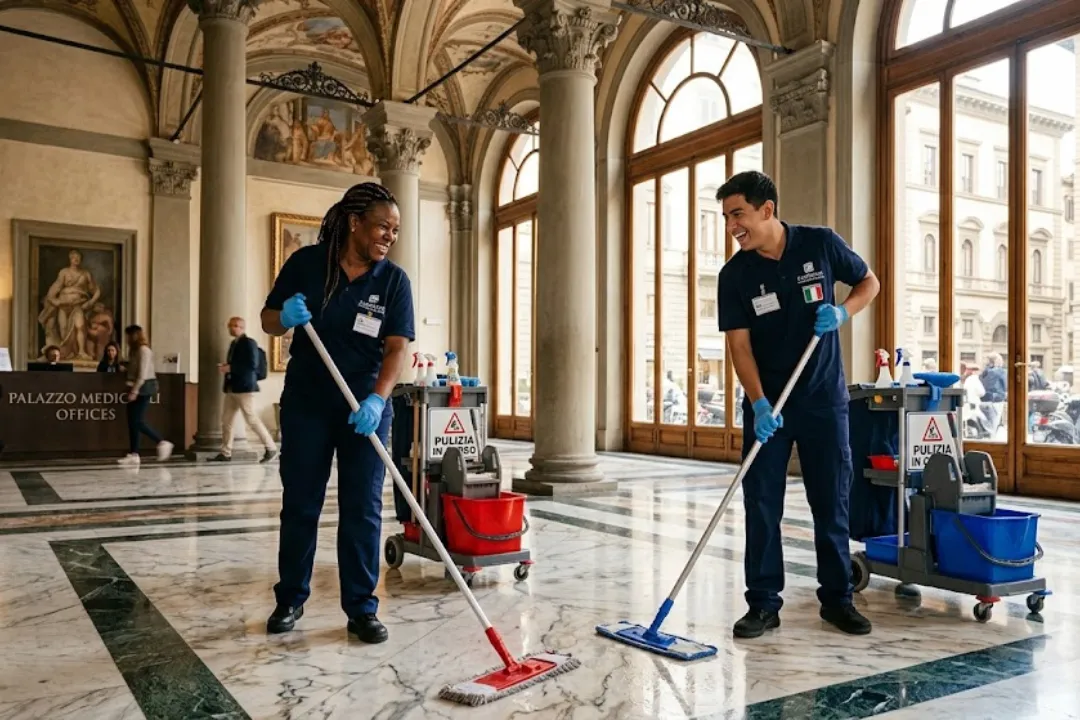
    If you’re looking for a realistic, legal, and immediate way to start working in Italy, cleaning jobs in Italy 2026 might be exactly what you need. No university degree, no specialized training, and often no prior professional experience is required. What you do need is reliability, attention to detail, and a genuine willingness to work. Italy’s enormous commercial, hospitality, healthcare, and residential sectors all rely on cleaning professionals — and the demand for these workers continues to grow every year.

    In this guide, you’ll learn what cleaning work in Italy actually involves, how much it pays, which visa pathway applies to you, and how to find and apply for positions starting today.

    Why Are There So Many Cleaning Job Openings in Italy?

    Italy generates massive demand for professional cleaning services across several sectors:

    • Tourism: Hotels, restaurants, and tourist sites require daily deep cleaning
    • Healthcare: Italian hospitals and care homes have strict EU cleaning standards
    • Corporate: Office complexes in Milan, Rome, and Turin outsource all cleaning
    • Retail: Shopping malls, supermarkets, and stores need maintenance cleaning
    • Industrial: Factories and logistics centers require specialized industrial cleaners

    The cleaning and facility services industry in Italy employs over 500,000 workers, making it one of the country’s largest employment sectors. Domestic worker shortages mean foreign workers are consistently needed and welcomed.

    Types of Cleaning Jobs in Italy 2026

    • Hotel housekeeping: Room cleaning, corridor maintenance, linen changing
    • Office cleaning: Evening/morning commercial cleaning of business premises
    • Hospital/healthcare cleaning: Sterile cleaning in medical environments
    • School and public building cleaning: Institutional maintenance
    • Industrial cleaning: Factory floors, machinery, production areas
    • Domestic/home cleaning: Private household cleaning for Italian families
    • Specialized cleaning: Window cleaning, deep cleaning, post-construction cleaning

    Cleaning Worker Salary in Italy 2026

    Cleaning workers in Italy are covered by the CCNL Pulizie Servizi Integrati (Cleaning and Integrated Services Agreement), which sets legally binding minimum wages:

    • Part-time cleaning worker (4 hrs/day): €600 – €900/month
    • Full-time commercial cleaner (8 hrs/day): €1,100 – €1,500/month
    • Hospital / healthcare cleaner: €1,300 – €1,700/month
    • Industrial / specialist cleaner: €1,400 – €1,900/month
    • Cleaning team supervisor: €1,800 – €2,400/month

    Many cleaning workers in Italy hold multiple part-time contracts simultaneously (a common Italian practice called ‘multi-committenza’), which can bring total monthly income up to €1,800–€2,200 for full working weeks.

    From Pakistan to Palermo: A Cleaner’s Story

    Rashida, 34, from Pakistan, arrived in Italy in 2021 as a hotel room attendant in Palermo. Her Italian language skills were minimal, but her work ethic was exceptional. Within a year, her employer promoted her to housekeeping supervisor, overseeing a team of eight. She enrolled in an evening Italian language course, obtained a food hygiene certificate, and is now pursuing a qualification in facility management. ‘People underestimate cleaning work,’ she says. ‘But in Italy, if you’re good at your job, people notice and doors open.’

    Italy Work Visa for Cleaning Workers 2026

    Domestic and Cleaning Worker Quota – Decreto Flussi

    Italy’s annual Decreto Flussi includes a specific quota for domestic workers and cleaning professionals — one of the most accessible and consistently available visa pathways for non-EU nationals. Required steps:

    • Find an Italian employer (individual household or cleaning company) willing to sponsor you
    • Employer files a nulla osta (hiring authorization) with the local immigration office
    • You apply for a work visa at the Italian consulate in your country
    • Arrive in Italy and register for a permesso di soggiorno within 8 days of arrival

    Domestic Worker Visa (Colf e Badante)

    Italy has a dedicated legal category for home cleaners (colf) and caregivers, making it one of the most straightforward visa pathways available. Hundreds of thousands of domestic worker permits have been issued in Italy over the past decade.

    How to Apply for Cleaning Jobs in Italy 2026

    • Prepare a simple CV — even without formal experience, list any related work
    • Obtain a basic hygiene/safety certificate if targeting healthcare or food environments
    • Search on: Subito.it, Bakeca.it, InfoJobs.it (reliable for local cleaning jobs)
    • Contact cleaning service companies: ISS Italy, Sodexo Italia, Dussmann, Coopservice
    • Register with domestic worker agencies: Badacare, AssoColf, ColfService
    • Use community networks: Italian parish organizations and immigrant associations often post cleaning roles

    Frequently Asked Questions

    Q: Do I need any qualifications to do cleaning work in Italy?

    A: No formal qualifications are required for most roles. Healthcare cleaning may require a basic hygiene certificate, which can be obtained through a short course. Your employer will often provide on-the-job training.

    Q: Is cleaning work in Italy full-time or part-time?

    A: Both. Full-time positions are common in hotels, hospitals, and commercial offices. Many domestic and private household positions are part-time but can be combined for full-time income.

    Q: Can a cleaning job in Italy lead to a permanent visa?

    A: Yes. The domestic worker visa is renewable, and after 5 years of legal residence in Italy, you can apply for long-term EU residence (permesso di soggiorno CE). Many domestic workers eventually obtain Italian citizenship.

    Q: How do I find a private household that needs a cleaner in Italy?

    A: Online platforms like Subito.it, Bakeca.it, and TaskRabbit Italy list private household cleaning requests. Domestic worker agencies also match workers with Italian families.

    Q: Is cleaning work in Italy physically demanding?

    A: It can be. Commercial and industrial cleaning requires physical stamina, bending, and standing for extended periods. Proper equipment is provided, and EU health and safety regulations require ergonomic working practices.

    Your Worth Is Not Defined by Your Job Title

    We want to say something directly to you, because we think you need to hear it: cleaning is real work. It is skilled, necessary, and valuable work. In Italy — a country that takes pride in beautiful spaces, immaculate hotels, and clean piazzas — the people who keep things clean are genuinely respected and protected by strong labor laws.

    If you’re starting here because it’s the most accessible path — that’s wisdom, not compromise. Every great Italian immigrant story started somewhere. Some started in a vineyard, others in a factory, others with a mop in a Milan office building at 6am. Where you start is not where you’ll end up. Italy rewards those who show up.

    Conclusion

    Cleaning jobs in Italy 2026 offer one of the most accessible pathways to legal work and residency in Europe. With no experience required, regulated wages under national collective agreements, a dedicated visa quota for domestic and cleaning workers, and opportunities in every Italian city and region, this is a genuinely viable route to a better life. Prepare your documents, reach out to employers and agencies, and apply today — your Italian story starts with the first step.

  • Hotel Jobs in Italy 2026 – Free Housing & How to Apply

    Hotel Jobs in Italy 2026 – Free Housing & How to Apply

    Imagine clocking in for work and looking out over Lake Como, the Amalfi Coast, or the cobblestone streets of Florence. Hotel jobs in Italy 2026 aren’t just employment — they’re an experience. Italy’s tourism industry is one of the largest in the world, welcoming over 65 million international visitors annually, and the hotels, resorts, and bed-and-breakfasts serving those visitors need a constant flow of dedicated, customer-focused workers. Many of these positions come with free housing — a benefit that can make your Italian working life extraordinarily affordable.

    Whether you’re interested in housekeeping, front desk, restaurant service, concierge work, or hotel management, this guide covers everything you need to know.

    Italy’s Tourism Boom and What It Means for Hotel Workers

    Italy’s tourism sector bounced back stronger than ever after the pandemic and shows no signs of slowing in 2026. Key tourism hotspots — the Amalfi Coast, Tuscany, Venice, Rome, Sicily, and the Italian Lakes — are operating at near-full capacity during peak seasons, creating enormous demand for hotel staff.

    • Over 32,000 hotels, resorts, and accommodation providers operate in Italy
    • Tourism contributes over 13% of Italy’s total GDP
    • Seasonal peaks (May–September) require massive short-term staff increases
    • Luxury hotel expansion in Milan and the Italian Riviera is creating year-round roles

    Types of Hotel Jobs Available in Italy 2026

    Front of House

    • Hotel receptionist / front desk agent
    • Concierge and guest relations officer
    • Bellhop / hotel porter
    • Reservations agent

    Housekeeping & Maintenance

    • Room attendant / housekeeping operative
    • Laundry and linen service worker
    • Hotel maintenance technician

    Food & Beverage

    • Hotel restaurant waiter / waitress
    • Breakfast service assistant
    • Bar tender / barista
    • Banquet and events service staff

    Management & Specialist Roles

    • Front office manager
    • Housekeeping supervisor
    • Hotel operations manager

    Hotel Worker Salary in Italy 2026

    Hotel salaries in Italy are regulated by the national tourism and hospitality collective agreement (CCNL Turismo):

    • Housekeeping / room attendant: €1,200 – €1,600/month
    • Hotel receptionist: €1,400 – €1,900/month
    • Waiter / F&B staff: €1,300 – €1,800/month (+ tips in tourist areas)
    • Concierge: €1,600 – €2,200/month
    • Front office / department supervisor: €2,200 – €3,000/month
    • Hotel manager: €3,000 – €5,500/month

    In tourist resort areas and luxury hotels, tips from international guests can add €200–€800/month to service staff income. Combined with free accommodation, the real value of a hotel job in Italy is often significantly higher than the base salary suggests.

    Free Housing for Hotel Workers – What to Expect

    Many Italian hotels — particularly resorts, ski hotels, and coastal properties — provide staff accommodation as part of the employment package. This is especially common for seasonal roles where workers travel from far away.

    Lena, a 25-year-old from Ukraine, worked a summer season at a hotel on Lake Garda in 2023. Her accommodation in a staff residence was fully covered, meals during shifts were provided, and she had access to the hotel’s pool and gym on her days off. ‘I spent almost nothing and saved about €800 every month,’ she recalls. ‘It was the best financial decision of my life.’

    Staff housing typically consists of shared rooms or small private studios in a staff annexe, staff house, or nearby apartment building. Conditions vary, so always ask for details and photos before accepting.

    Visa Options for Hotel Workers in Italy 2026

    Seasonal Tourism Visa (Decreto Flussi)

    The Italian tourism sector has a dedicated seasonal quota under the Decreto Flussi. Applications open annually and cover roles from housekeeping to food service. The process is employer-driven — your hotel sponsor files the authorization before you apply for the visa.

    Long-Stay Tourism Work Visa

    For year-round hotel roles (particularly in city hotels or luxury resorts), a standard work visa via the Decreto Flussi non-seasonal quota is required. This provides a residence permit for 1–2 years, renewable based on continued employment.

    How to Apply for Hotel Jobs in Italy 2026

    • Build a hospitality-focused CV highlighting customer service experience
    • Obtain a basic food handling certificate if applying for F&B roles
    • Search on: Hosco.com (premier hospitality job board), InfoJobs.it, Indeed.it
    • Apply directly to hotel chains: NH Hotels, Marriott Italy, Hilton, Best Western, Meliá
    • Contact hospitality recruitment agencies: HotelJobs, Gi Group Tourism, Jobs in Tourism
    • Use LinkedIn to connect with Italian hotel HR managers directly
    • Apply in January–March for summer season positions (applications fill fast)

    Frequently Asked Questions

    Q: Do I need hotel experience to get a housekeeping job in Italy?

    A: Not always. Housekeeping is one of the most accessible hotel entry points. Attention to detail, physical stamina, and reliability matter more than formal experience for most properties.

    Q: Which Italian regions have the most hotel jobs in 2026?

    A: The Amalfi Coast, Tuscany, Venice, Rome, Sicily, Lake Garda, Lake Como, and Italian Riviera are the highest-demand areas. Milan and Rome offer the most year-round opportunities.

    Q: Is it easy to move from a seasonal hotel contract to a permanent one in Italy?

    A: Many workers build long-term relationships with the same hotel, returning season after season and eventually being offered year-round contracts. Strong performance and language skills speed this up significantly.

    Q: Do Italian hotels sponsor work visas for foreign workers?

    A: Yes. Many hotels, especially larger properties and resort chains, actively recruit and sponsor non-EU workers through the Decreto Flussi seasonal quota due to persistent staffing shortages.

    Q: Do I need to speak Italian to work in an Italian hotel?

    A: English is widely spoken in international hotels and tourist areas. Italian is an advantage — especially for concierge and guest-facing roles — but not a barrier for most entry-level positions.

    Working in Italy’s Most Beautiful Places

    There’s a reason that hotel jobs in Italy are among the most sought-after in global hospitality. It’s not just the salary or the free housing — it’s the setting. Working in a hotel on the Amalfi Coast means your commute is through one of the most photographed landscapes on earth. Your weekends might be spent in Pompeii or at a hilltop vineyard. The food, the culture, the warmth of Italian people — these aren’t background details; they’re part of the deal.

    We understand that moving to a new country for work is a big decision. But for those in the hospitality industry, Italy represents something rare: a place where the job and the experience of living there are equally extraordinary. Apply early, prepare well, and let Italy work its magic on you.

    Conclusion

    Hotel jobs in Italy 2026 offer one of the most attractive combinations in the global jobs market: competitive salaries, free accommodation in stunning locations, visa sponsorship, and the unmatched experience of living and working in Italy. From luxury resorts on Lake Como to boutique hotels in Rome, opportunity is everywhere. Start your application early — the best positions fill quickly — and take your first step toward a career that’s as beautiful as the country it’s in.

  • Warehouse Jobs in Italy 2026 – Full Time, High Pay & How to Apply

    Warehouse Jobs in Italy 2026 – Full Time, High Pay & How to Apply

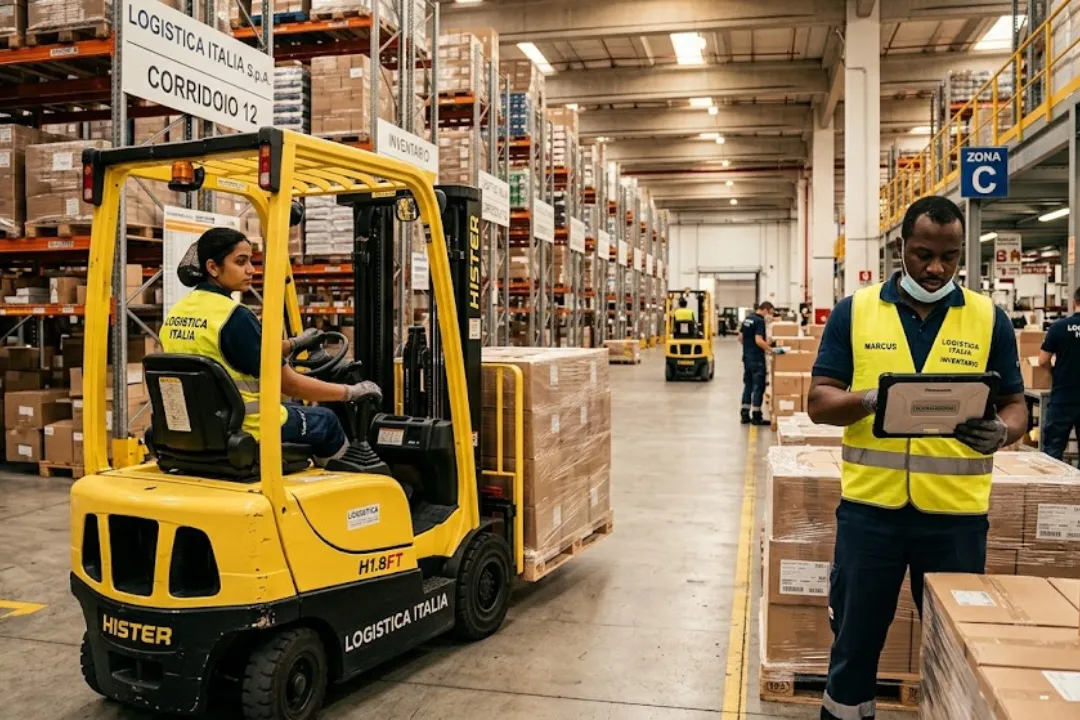
    Italy’s logistics and warehousing sector has exploded in recent years. The rise of e-commerce giants, the expansion of Italian export industries, and massive investment in distribution infrastructure have created thousands of warehouse jobs in Italy that are actively recruiting foreign workers in 2026. If you’re looking for stable, full-time employment with genuine career progression, a structured salary, and a clear visa pathway into Europe, the Italian warehousing sector deserves your full attention.

    In this detailed guide, you’ll find everything you need: job types, salary ranges, visa requirements, and a step-by-step application roadmap.

    Italy’s Warehouse & Logistics Boom in 2026

    Several converging trends are fueling unprecedented demand for warehouse workers in Italy:

    • Amazon, Zalando, and IKEA have expanded their Italian distribution networks
    • Italian fashion and luxury goods exports require sophisticated warehousing logistics
    • Food and pharmaceutical distribution has grown significantly post-pandemic
    • Northern Italy’s logistics triangle (Milan–Verona–Bologna) is one of Europe’s busiest

    Employers in this sector are not just looking to fill vacancies — they’re building long-term teams, which means there are real opportunities for permanent contracts, skills development, and career growth.

    Types of Warehouse Jobs Available in Italy 2026

    • Order picker / warehouse operative: Picking, packing, and processing customer orders
    • Forklift operator (carrellista): Moving pallets and loading/unloading trucks
    • Goods receiving / dispatch clerk: Checking and recording inbound/outbound stock
    • Inventory controller: Monitoring stock levels using WMS (Warehouse Management Systems)
    • Warehouse shift supervisor: Managing teams of 5–20 warehouse workers per shift
    • Cold storage operative: Working in refrigerated warehouses for food/pharma logistics

    Warehouse Worker Salary in Italy 2026

    Warehouse salaries in Italy are governed by the national logistics and transport collective agreement (CCNL Logistica, Trasporto e Spedizione), ensuring legal minimums and worker protections:

    • Entry-level picker/packer: €1,300 – €1,700/month
    • Forklift operator (certified): €1,700 – €2,200/month
    • Experienced logistics operative: €1,900 – €2,400/month
    • Warehouse team leader: €2,300 – €2,900/month
    • Warehouse manager: €3,000 – €4,500/month

    Overtime, night shifts, and weekend premiums regularly push monthly earnings above base figures. Many large employers also offer annual bonuses, meal vouchers, transportation subsidies, and employee discount programs.

    Real Story: From Zero to Warehouse Supervisor in Three Years

    James, a 31-year-old from Ghana, arrived in Italy in 2022 as a forklift operator at a logistics hub near Verona. He came through a recruitment agency with a valid Category 5 forklift certification from Ghana. Within 18 months, his employer sponsored his WMS (Warehouse Management System) training. By 2025, James was promoted to shift supervisor overseeing a team of 14. ‘Italy gave me structure,’ he says. ‘The rules protect you here. Fixed contracts, paid overtime, proper safety gear. I’ve built something real.’

    James’s story isn’t unique — it’s increasingly common for motivated foreign workers who enter Italy’s warehousing sector with the right attitude and documentation.

    Visa & Work Permit for Warehouse Jobs in Italy 2026

    Decreto Flussi – Logistics Quota

    The logistics and warehousing sector is included in Italy’s annual work permit quota. The application process:

    • Step 1: Secure a job offer from an Italian logistics employer
    • Step 2: Employer files a nulla osta (work authorization) with Sportello Unico Immigrazione
    • Step 3: You apply for a work visa at the Italian consulate in your home country
    • Step 4: Arrive in Italy and apply for permesso di soggiorno within 8 days

    Intra-Company Transfer

    For workers employed by multinational companies with Italian operations (DHL, Amazon, Kuehne+Nagel), intra-company transfer permits offer another pathway — particularly for supervisory and managerial roles.

    Forklift Certification – A Game-Changer

    If there’s one qualification that will dramatically boost your chances of landing a warehouse job in Italy, it’s a valid forklift operator certificate. In Italy, forklift operation requires a specific certification (patentino del muletto), and holders command higher salaries and are in extremely high demand. Many training providers in Italy offer forklift certification courses — some employers even fund this training as part of their onboarding.

    How to Apply for Warehouse Jobs in Italy 2026

    • Prepare a Europass CV with any logistics, warehouse, or physical work experience
    • Obtain or document any relevant certifications (forklift, safety, WMS)
    • Search on: Indeed.it, InfoJobs.it, Logistics Jobs Italy, LinkedIn
    • Contact staffing agencies: Adecco, Randstad, Manpower, Gi Group (all have logistics divisions)
    • Apply directly to major employers: Amazon Italia, BRT, GLS, DHL Supply Chain, Kuehne+Nagel
    • Check Italy’s ANPAL portal for government-funded logistics placement programs

    Frequently Asked Questions

    Q: Do I need experience to get a warehouse job in Italy?

    A: Not for entry-level positions. Basic physical fitness and reliability are the main requirements. Forklift experience or certification will significantly improve your salary and opportunities.

    Q: What are the working hours for Italian warehouse jobs?

    A: Standard shifts are 8 hours, typically in rotating morning, afternoon, and night shifts. Full-time contracts are 40 hours/week. Overtime is common in peak periods and paid at premium rates.

    Q: Which Italian cities have the most warehouse jobs?

    A: The logistics triangle of Milan, Verona, and Bologna has the highest concentration. Other hotspots include Rome, Turin, Florence, and Bari.

    Q: Do warehouse employers in Italy provide visa sponsorship?

    A: Yes. Large logistics companies and staffing agencies regularly sponsor work permits for non-EU workers through the Decreto Flussi system due to ongoing labor shortages.

    Q: Is it possible to get a permanent warehouse contract in Italy?

    A: Yes. Many companies offer fixed-term contracts that convert to permanent (tempo indeterminato) contracts after 12–24 months, especially for reliable, skilled workers.

    This Could Be Your Year

    We want to be honest with you: warehouse work is not glamorous. It can be physically demanding, the shifts can be long, and the environment can be noisy and fast-paced. But it is honest, well-paid work in a country that genuinely protects its workers. Italy’s labor laws, unions, and collective agreements mean you have real rights and real recourse — a level of worker protection that many parts of the world simply don’t offer.

    More importantly, warehouse work in Italy is a launchpad, not a ceiling. With every certification you earn, every season you work, and every Italian phrase you learn, you’re building toward something bigger. Don’t underestimate what you’re capable of. Italy’s best logistics stories are written by people just like you.

    Conclusion

    Warehouse jobs in Italy 2026 offer full-time employment, strong salaries under national collective agreements, and clear visa pathways for non-EU workers. With Italy’s logistics sector booming thanks to e-commerce and export growth, there’s never been more opportunity. Prepare your documents, obtain any relevant certifications, target the right employers and platforms, and apply today. Your Italian logistics career is waiting.

  • Food Packing Jobs in Italy 2026 – No Experience Needed, Apply Now

    Food Packing Jobs in Italy 2026 – No Experience Needed, Apply Now

    Italy is not only famous for its food — it’s one of Europe’s largest food producers and exporters. Behind every jar of Italian passata, every block of Parmigiano-Reggiano, and every bottle of olive oil is a production line full of workers keeping things moving. And in 2026, those production lines desperately need people like you. Food packing jobs in Italy are among the most accessible entry points into the Italian labor market — no experience, no degree, and in many cases, minimal language skills required.

    This guide will show you exactly what the work involves, how much you’ll earn, how to get the right visa, and where to apply today.

    What Do Food Packing Workers Actually Do?

    Food packing, or food processing, covers a wide range of tasks inside food production facilities. Here’s what a typical day might look like:

    • Sorting and quality-checking fresh produce (tomatoes, peppers, olives, cheese)
    • Operating packaging machines and conveyor belt systems
    • Labeling, sealing, and boxing finished food products
    • Monitoring production line for defects or contamination
    • Maintaining hygiene standards in compliance with EU food safety regulations

    The work is indoors, structured, and physical but not overly strenuous. Shifts typically run 8 hours, with some facilities offering 12-hour shifts with higher hourly rates.

    Food Packing Worker Salary in Italy 2026

    Wages in Italy’s food processing sector are regulated by the national CCNL Industria Alimentare (Food Industry Collective Agreement), which protects workers’ rights and ensures fair pay:

    • Entry-level packing/sorting worker: €1,200 – €1,600/month
    • Experienced line operator: €1,600 – €2,000/month
    • Machine operator / quality control: €1,900 – €2,400/month
    • Shift supervisor / team leader: €2,400 – €3,000/month

    Night shifts and weekend work typically carry a premium of 20–30% above the base hourly rate. Overtime is regulated and paid accordingly. Some employers also provide canteen meals, transportation, and production bonuses.

    Top Regions for Food Packing Jobs in Italy

    • Emilia-Romagna: Parma (Parmigiano, prosciutto), Bologna (mortadella, pasta)
    • Campania: Salerno and Naples (tomato processing, pasta, mozzarella)
    • Puglia: Bari and Taranto (olive oil, tomatoes, wine)
    • Sicily: Palermo and Catania (citrus, olive oil, canned fish)
    • Trentino-Alto Adige: Trento (apple processing, dairy, fruit juices)

    Visa Options for Food Factory Workers in Italy 2026

    Decreto Flussi – Industrial/Food Processing Quota

    Non-EU workers can enter Italy’s food industry through the annual work permit quota. The food manufacturing sector is consistently included in the industrial and manufacturing allocation. Key steps:

    • A confirmed job offer from an Italian food company is required
    • The employer submits an authorization request to the Sportello Unico for Immigration
    • You apply for your work visa at the Italian consulate in your home country
    • Upon arrival, you apply for a permesso di soggiorno (residence permit)

    Fatima, a 24-year-old from Senegal, secured a food packing role with a pasta manufacturer in Bologna through a recruitment agency. ‘I had never worked in a factory before,’ she explains. ‘They trained us for two weeks before we even touched the machines. By month three, I was training new arrivals.’

    How to Apply for Food Packing Jobs in Italy 2026

    • Prepare a simple CV — even without experience, list any physical or factory work
    • Search on Indeed.it, InfoJobs.it, Manpower Italy, and Adecco Italia
    • Target food industry recruitment agencies: Gi Group Food, Synergie, Humangest
    • Apply directly to major Italian food companies: Barilla, Ferrero, Granarolo, Conserve Italia
    • Check the official ANPAL website for publicly funded job placement programs
    • Join Italian factory worker Facebook communities and job groups

    Frequently Asked Questions

    Q: Do I need to speak Italian to work in food packaging in Italy?

    A: Not necessarily at entry level. Many facilities have multilingual team leaders, and the physical nature of the work means language barriers are less critical. Basic Italian safety instructions are usually provided in multiple languages.

    Q: Are food packing jobs in Italy permanent or temporary?

    A: Both. Many start as 6–12 month fixed-term contracts that convert to permanent (contratto a tempo indeterminato) based on performance. Seasonal roles in tomato and citrus processing run 3–5 months.

    Q: What are the working hours for food factory jobs in Italy?

    A: Typically 40 hours per week across 5 days. Shift work (morning, afternoon, night) is common. Night shifts earn a mandatory legal premium.

    Q: Is there room for career advancement in food processing in Italy?

    A: Yes. Workers can progress from packing to machine operation, quality control, shift supervision, and even production management with experience and additional training.

    Q: Can I bring my family to Italy if I work in food packing?

    A: Yes, after 12 months of legal residence and employment, you can apply for family reunification to bring your spouse and dependent children to Italy.

    More Than a Job — A Foot in the Door

    We understand that ‘food packing worker’ might not be the dream career title you had in mind. But here’s what it actually represents: a legal foothold in one of Europe’s most beautiful countries, a regulated salary, protected worker rights, and the freedom to build toward something bigger. Learn Italian in the evenings, get your safety certifications, save money, and explore Italy on weekends. The people who turn seasonal factory jobs into life-changing Italian careers are the ones who show up, do the work, and keep their eyes open.

    You don’t need experience. You need a plan and the courage to start. This is yours.

    Conclusion

    Food packing jobs in Italy 2026 are genuinely accessible to workers with no formal experience, offering regulated salaries, legal work permits through the Decreto Flussi, and a real pathway to long-term Italian residency. From Parma’s cheese factories to Sicily’s citrus processing plants, opportunities are waiting across the country. Prepare your CV, target the right platforms and employers, and apply today — your Italian chapter is just one application away.

  • Truck Driver Jobs in Italy 2026 – License, Pay & How to Apply

    Truck Driver Jobs in Italy 2026 – License, Pay & How to Apply

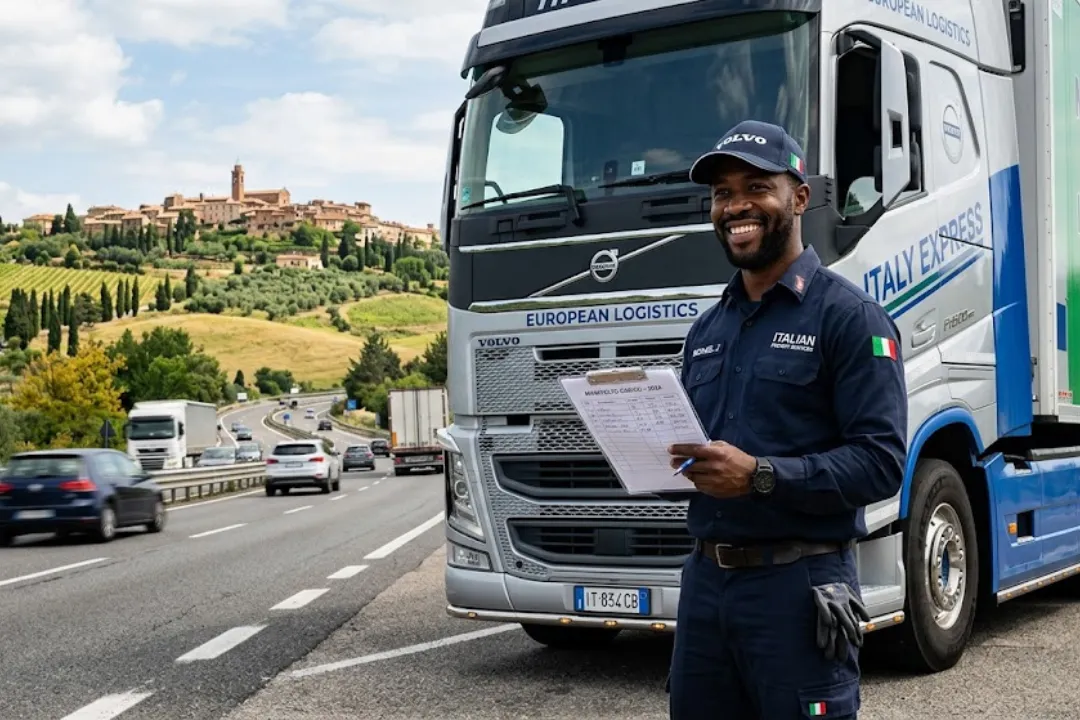
    Europe is in the grip of a serious truck driver shortage, and Italy is feeling it harder than most. With an aging workforce, growing e-commerce demand, and expanding logistics networks across the country, truck driver jobs in Italy 2026 are among the highest-demand, best-paying opportunities available to foreign workers. If you hold a valid commercial driving license — or you’re willing to get one — Italy’s transport sector could be your ticket to a stable, well-paid career in Europe.

    In this comprehensive guide, we’ll break down the licenses you need, what salaries to expect, how the visa process works, and the fastest way to land a driving job in Italy.

    Why Is Italy Desperate for Truck Drivers in 2026?

    The Italian road haulage industry is grappling with a shortage of over 20,000 drivers, according to industry estimates. Several factors are driving this gap:

    • Retirement wave: A large proportion of Italian drivers are over 55 and retiring
    • Boom in e-commerce and last-mile delivery across Italian cities
    • Expansion of cold chain logistics for Italy’s massive food export sector
    • New infrastructure projects requiring heavy goods transport

    For foreign workers, this shortage translates directly into job security, competitive wages, and employers who are genuinely motivated to sponsor visas and relocation.

    What License Do You Need to Drive a Truck in Italy?

    European License Categories

    • Category C: Trucks over 3.5 tonnes — the minimum for most driving jobs
    • Category CE: Truck + trailer — required for articulated lorry work
    • Category C1: Medium trucks (3.5–7.5 tonnes) — lighter freight roles

    CQC (Certificato di Qualificazione del Conducente)

    Beyond the driving license, Italy requires all professional truck drivers to hold a CQC — a professional driver qualification certificate. This is equivalent to the EU Driver CPC (Certificate of Professional Competence). If you already hold a CPC from your home country (especially EU member states), it’s often recognized directly. Non-EU drivers will need to obtain Italian or EU-equivalent certification.

    Tachograph Card

    Professional drivers in Italy must also carry a digital tachograph driver card to record driving hours under EU working time regulations. Your employer will typically help arrange this.

    Truck Driver Salary in Italy 2026

    • Entry-level / delivery van driver (Cat B/C1): €1,400 – €1,800/month
    • Category C truck driver (rigid HGV): €1,800 – €2,400/month
    • Category CE articulated lorry driver: €2,200 – €3,200/month
    • Specialized tanker / ADR dangerous goods driver: €2,800 – €4,000/month
    • International long-haul driver: €2,500 – €3,800/month + allowances

    Additional perks commonly include daily travel allowances (diarie), paid overnight stays, company fuel cards, and employer-provided health insurance. Many long-haul positions also include a company truck for personal use between shifts.

    Italy Work Visa for Truck Drivers 2026

    Non-EU truck drivers have two main visa pathways for working in Italy:

    Decreto Flussi – Transport Quota

    The annual Decreto Flussi includes a specific quota for transport workers. Employers submit hiring requests for non-EU drivers, and successful candidates receive a work permit followed by a residence permit (permesso di soggiorno).

    EU Blue Card for Skilled Drivers

    Experienced drivers with verified qualifications and salary above the Blue Card threshold (around €26,000/year gross) can apply for an EU Blue Card, offering more rights and a clearer path to permanent residency.

    Ahmed, a truck driver from Morocco, applied through the Decreto Flussi in 2023. Within four months, he was driving refrigerated freight between Milan and Rome for a major Italian logistics company. ‘The paperwork was complicated, but my employer handled most of it,’ he says. ‘Now I earn three times what I made at home.’

    How to Apply for Truck Driver Jobs in Italy 2026

    • Ensure your license is valid and obtain an International Driving Permit if needed
    • Get your CPC/CQC documents assessed for Italian recognition
    • Create a Europass CV highlighting your driving experience and license categories
    • Search on: Autista Lavoro (dedicated driver job board), Indeed.it, InfoJobs.it
    • Contact transport recruitment agencies: GiGroup, Randstad Italy, Adecco
    • Apply to major Italian logistics employers: DHL Italia, GLS Italy, BRT, Fercam, Italtrans
    • Contact the Italian consulate in your country to understand visa documentation requirements

    Frequently Asked Questions

    Q: Is my foreign driving license valid for truck driving in Italy?

    A: EU licenses are directly valid. Non-EU licenses require conversion or recognition. Many countries have bilateral agreements with Italy — check with the Italian Motorizzazione Civile (vehicle licensing authority) for your specific country.

    Q: Do Italian truck driving employers offer visa sponsorship?

    A: Yes, many logistics and transport companies actively sponsor work visas for qualified non-EU drivers due to the severe shortage. Companies like DHL, BRT, and Fercam have international recruitment programs.

    Q: Can I drive internationally (EU routes) as a truck driver based in Italy?

    A: Yes. Many Italian transport companies operate EU-wide routes, meaning you could be driving through France, Germany, Spain, and beyond — with higher daily allowances for international routes.

    Q: How long does it take to get a truck driver work visa for Italy?

    A: Under the Decreto Flussi, processing typically takes 2–4 months. Some employers use expedited procedures for critical shortage roles.

    Q: Do I need Italian language skills to be a truck driver in Italy?

    A: Basic Italian is useful for documentation and navigation. For domestic routes, functional Italian is recommended. International route drivers often manage with English, as it’s the European logistics standard.

    The Road to a Better Life — Literally

    There’s a certain freedom that comes with truck driving that few other jobs can offer. The open road, a new city every few days, and the satisfaction of knowing that the goods keeping Italy’s economy running passed through your hands. It’s demanding work — we won’t pretend otherwise. Long hours, nights away from home, and the responsibility of handling expensive cargo are real challenges.

    But for the right person, truck driving in Italy in 2026 offers something genuinely rare: job security, strong wages, and a real path toward European residency. The country needs you. The industry needs you. Now it’s time to take that first step.

    Conclusion

    Truck driver jobs in Italy 2026 offer some of the best earning potential available to foreign workers in Europe, with salaries ranging from €1,800 to €4,000+ per month depending on license category and route type. With a documented labor shortage, active visa sponsorship, and multiple entry pathways, now is genuinely the best time to apply. Get your documents in order, update your CV, and start reaching out to Italian transport employers today. The road to your new life starts here.

  • Farm Jobs in Italy 2026 – Seasonal Work with Free Accommodation

    Farm Jobs in Italy 2026 – Seasonal Work with Free Accommodation

    If the idea of waking up in the Italian countryside, surrounded by vineyards and olive groves while earning a solid wage, sounds like a dream — it doesn’t have to be. Farm jobs in Italy 2026 are very real, very available, and actively recruiting foreign workers right now. Italy is one of Europe’s top agricultural producers, and every harvest season, thousands of positions open up for people who want to work outdoors, earn good money, and experience authentic Italian rural life.

    Whether you’re drawn by the free accommodation many farms offer, the visa sponsorship opportunities, or simply the chance at a fresh start in a beautiful country, this guide covers everything you need to know.

    Why Italy Needs Farm Workers from Abroad in 2026

    Italy’s agricultural sector faces a persistent labor shortage. Domestic workers increasingly move to urban jobs, leaving vineyards, fruit orchards, and vegetable farms scrambling to fill seasonal positions. This is where international workers step in — and the Italian government has responded by expanding the Decreto Flussi agricultural quota year after year.

    • Italy is the EU’s largest wine producer — vineyards need thousands of seasonal workers
    • Over 1 million tons of tomatoes are harvested annually in southern Italy alone
    • Olive harvests in Sicily, Calabria, and Puglia require massive seasonal labor
    • Strawberry and citrus farms in Campania and Sicily recruit extensively from abroad

    Types of Farm Jobs Available in Italy 2026

    Harvest & Picking Jobs

    • Grape picking (vendemmia) – August to October, Tuscany, Veneto, Sicily
    • Olive harvesting – October to December, Puglia, Calabria, Umbria
    • Tomato picking – July to September, Campania, Puglia, Emilia-Romagna
    • Strawberry and berry picking – April to July, Campania, Trentino

    Year-Round Agricultural Roles

    • Greenhouse cultivation workers (lettuce, herbs, flowers)
    • Animal husbandry assistants (dairy farms in Lombardy and Emilia-Romagna)
    • Farm machinery operators (tractor drivers, irrigation specialists)
    • Agritourism support workers (farm stays, guided tours, cooking demonstrations)

    Salary for Farm Workers in Italy 2026

    Farm worker wages in Italy are regulated by national collective bargaining agreements (CCNL Agricoltura), ensuring fair pay for all workers including foreigners:

    • General farm laborer: €1,000 – €1,400/month (plus free housing on many farms)
    • Experienced harvester / machine operator: €1,400 – €1,900/month
    • Farm supervisor / team leader: €1,900 – €2,600/month

    Many employers offer free accommodation in on-farm housing or nearby lodging, free meals, and sometimes transportation to the worksite — benefits that can easily be worth an additional €400–€700/month in real terms.

    Free Accommodation: What to Expect

    This is the detail that excites most applicants — and rightly so. A large proportion of Italian farm employers, particularly in the south and in wine regions, provide free or heavily subsidized housing as part of the employment package.

    Maria, a 26-year-old from Romania, worked a grape harvest in Chianti for three seasons. She paid zero rent, ate homemade meals with the farm family, and saved nearly her entire salary each month. ‘I came for one season,’ she says, ‘and I’m still here five years later with a permanent contract.’

    Typical accommodation includes shared farm cottages, agritourism annexes, or rented apartments provided by the employer. Always confirm accommodation terms in writing before you travel.

    Farm Work Visa for Italy 2026 – How It Works

    Non-EU workers need a valid work visa to take up farm employment in Italy. The primary pathway is the Decreto Flussi seasonal agricultural quota:

    • Italy announces the annual quota (usually January–March each year)
    • You need a confirmed job offer from an Italian agricultural employer
    • The employer submits a hiring request (nulla osta) to Italian immigration authorities
    • You attend a visa interview at the Italian consulate in your home country
    • Upon approval, you receive a seasonal work visa (visto per lavoro stagionale)

    The seasonal agricultural visa is typically valid for 6–9 months per year, and workers with a good track record can return in subsequent seasons — often being directly invited back by the same employer.

    How to Apply for Farm Jobs in Italy 2026

    • Build a simple CV highlighting any outdoor or physical work experience
    • Register on Italian job platforms: InfoJobs.it, Agrijob.it, Lavoro Verde
    • Contact agricultural recruitment agencies: Agrilavoro, Tempor, Lavoropiù
    • Apply through official government channels at ANPAL (www.anpal.gov.it)
    • Reach out directly to farm cooperatives (cooperative agricole) in target regions
    • Join Italy farm job Facebook groups and LinkedIn agricultural communities

    Frequently Asked Questions

    Q: Do I need farming experience to apply for farm jobs in Italy?

    A: Not for most picking and harvesting roles. Physical fitness, willingness to work outdoors, and basic reliability are the main requirements. Specialized roles like machinery operation may require certification.

    Q: How long is the farm work season in Italy?

    A: It varies by crop and region. Grape harvest runs 6–10 weeks (Aug–Oct). Olive harvest runs 8–12 weeks (Oct–Dec). Tomato harvest is 8–12 weeks (July–Sept). Many workers combine two seasons to extend their stay.

    Q: Is free accommodation guaranteed on Italian farms?

    A: Not always — it depends on the employer. Many farms and cooperatives do offer it, but always confirm in your contract. Ask specifically: ‘Is accommodation included, and is there a cost?’

    Q: Can I convert a seasonal farm visa to a long-term Italian work permit?

    A: Yes, under certain conditions. Workers who complete multiple seasonal contracts and demonstrate stable employment can apply for a multi-year permit or a standard work visa over time.

    Q: What language do I need to work on an Italian farm?

    A: Basic Italian is helpful but not always required, especially on large farms with diverse worker populations. English is increasingly common in agritourism settings.

    Your Italian Adventure Starts in a Field

    There’s something uniquely grounding about working with the land — watching grapes turn into wine, olives become oil, and seasons change around you. Farm jobs in Italy aren’t just employment; they’re an experience. The relationships you build, the skills you develop, and the savings you accumulate can genuinely change the trajectory of your life.

    If you’ve been on the fence, let this be your nudge. Applications for the 2026 season are open or opening soon. Your spot in an Italian vineyard, orchard, or greenhouse is waiting. Start today — one application, one email, one step toward something extraordinary.

    Conclusion

    Farm jobs in Italy 2026 offer an unbeatable combination of accessible entry requirements, free accommodation, visa sponsorship, and the chance to immerse yourself in one of the world’s most beautiful agricultural landscapes. With salaries regulated by national agreements, a growing quota of work permits, and employers actively recruiting internationally, this is one of the most realistic paths to legal work in Europe today. Research, apply, and take that first step — la bella vita is closer than you think.

  • Construction Jobs in Italy 2026 – No Experience, Apply Today

    Construction Jobs in Italy 2026 – No Experience, Apply Today

    If you’ve been searching for construction jobs in Italy 2026, you’re already one step ahead of thousands of other job seekers around the world. Italy’s booming infrastructure sector, backed by EU funding and national recovery programs, is creating tens of thousands of positions — and the best part? Many of these roles require little to no prior experience. Whether you’re a fresh graduate, a career switcher, or simply someone looking for a better life abroad, Italy’s construction industry could be your gateway.

    In this guide, we’ll walk you through everything you need to know — from average salaries and visa options to the exact steps for applying today. Let’s get into it.

    Italy’s Construction Boom: What’s Driving It in 2026?

    Italy has been investing heavily in rebuilding and modernizing its infrastructure. The Italian government, with support from the EU’s NextGenerationEU fund, has allocated billions of euros to projects including highways, railways, social housing, and renewable energy installations.

    This means one thing for foreign workers: demand is high, and employers are actively recruiting internationally. Cities like Milan, Rome, Turin, and Naples are all seeing massive construction activity, and smaller regions are following suit.

    • Highway and rail expansion projects across northern Italy
    • Earthquake-resistant building renovations in central Italy
    • Green building and solar installation projects nationwide
    • Social housing development funded by EU recovery grants

    Construction Worker Salary in Italy 2026

    One of the first questions people ask is: how much can I actually earn? Here’s a realistic breakdown for foreign workers entering the Italian construction market:

    • Entry-level / no experience: €1,200 – €1,600 per month
    • Semi-skilled workers (1–3 years experience): €1,600 – €2,200 per month
    • Skilled tradespeople (electricians, plumbers, welders): €2,200 – €3,200 per month
    • Foremen / site supervisors: €2,800 – €4,000+ per month

    Many employers also provide accommodation and meal allowances, which significantly boosts your effective income. Some contracts include free housing, transportation to the site, and even health insurance — especially for workers on longer-term projects.

    Do You Need Experience to Get a Construction Job in Italy?

    Here’s the good news that most job boards won’t tell you: the majority of entry-level construction roles in Italy do NOT require formal experience. Positions such as general laborer, site cleaner, material handler, and construction helper are widely available for people with zero professional background.

    What employers typically look for:

    • Physical fitness and willingness to do manual work
    • Basic understanding of safety procedures (training is usually provided)
    • Reliability and punctuality
    • Basic Italian or English communication skills (varies by employer)

    Take the story of Marco, a 28-year-old from Nigeria who arrived in Italy in 2023 with no construction background. He started as a site helper in Turin, earned his forklift operator certification within six months, and was promoted to equipment operator — doubling his salary. His secret? Showing up every day, learning fast, and asking questions. Italy rewards dedication.

    Italy Work Visa for Construction Workers 2026

    Seasonal Work Permit (Decreto Flussi)

    Italy’s Decreto Flussi (Flow Decree) is the main visa pathway for non-EU construction workers. Each year, the Italian government announces a quota of work permits for non-EU nationals. In recent years, hundreds of thousands of entries have been approved, with construction being one of the top sectors.

    • Application opens annually (typically early in the year)
    • Requires a job offer from an Italian employer
    • The employer sponsors and files the application on your behalf
    • Processing time: 2–4 months on average

    EU Blue Card

    For skilled construction workers with higher qualifications, the EU Blue Card offers a longer-term work and residence permit with more rights and benefits. It requires a higher salary threshold and formal qualifications, but it’s the best pathway for those looking to settle long-term in Italy.

    How to Find and Apply for Construction Jobs in Italy 2026

    Step 1: Prepare Your Documents

    • Valid passport (at least 12 months validity)
    • Updated CV in Italian or English (Europass format preferred)
    • Any certifications (forklift, safety training, welding, etc.)
    • Reference letters from previous employers (if available)

    Step 2: Search on Reliable Job Platforms

    • InfoJobs.it – Italy’s largest job portal
    • Indeed.it – Wide range of construction listings
    • Subito.it – Good for regional construction roles
    • LinkedIn – Ideal for skilled and supervisory roles
    • ANPAL (National Agency for Active Labour Policies) – Official government portal

    Step 3: Apply Through Recruitment Agencies

    Several Italy-based and international recruitment agencies specialize in placing foreign workers in construction roles. Look for agencies registered with the Italian Ministry of Labour. Agencies like Adecco Italy, Manpower Italy, and Synergie Italia regularly recruit for construction positions.

    Step 4: Wait for Visa Approval & Prepare to Travel

    Once you receive a job offer and your employer files the visa application, you’ll be notified for an interview at the Italian consulate in your home country. Prepare your documents, attend the interview, and once approved, you can travel to Italy to begin work.

    Frequently Asked Questions

    Q: Can I get a construction job in Italy without speaking Italian?

    A: Yes, many construction sites in larger cities have multilingual supervisors, and employers in high-demand areas often hire English-speaking workers. Learning basic Italian phrases will still give you a significant advantage.

    Q: How long does it take to get a work visa for Italy?

    A: Typically 2–4 months from the date of application. The Decreto Flussi window is limited, so it’s important to apply as soon as the quota opens each year.

    Q: Are there construction jobs in Italy with free accommodation?

    A: Yes, many employers — especially for project-based work in remote areas — provide free or subsidized accommodation. Always confirm this in your employment contract before signing.

    Q: What is the minimum age to work in construction in Italy?

    A: The minimum working age in Italy is 16, though most construction employers prefer workers aged 18 and above for safety and insurance reasons.

    Q: Can my family join me if I get a construction job in Italy?

    A: Yes. Once you’ve been in Italy for at least one year on a work permit, you can apply for family reunification (ricongiungimento familiare) to bring your spouse and children.

    A Warm Word Before You Apply

    We know that making the decision to leave home and work abroad isn’t easy. It takes courage, sacrifice, and a whole lot of hope. If you’re reading this, you’re already showing the determination that employers in Italy are looking for. The construction industry rewards those who show up, work hard, and keep learning — regardless of where they started.

    Italy is a country with a rich culture, world-class food, and a genuine appreciation for hard work. Thousands of foreign workers before you have built new lives there — not just buildings. Your 2026 could be the year everything changes. Start with one application, one email, one phone call. That’s all it takes.

    Conclusion

    Construction jobs in Italy 2026 represent one of the most accessible and rewarding opportunities available to foreign workers today. With competitive salaries starting from €1,200/month, no experience required for entry-level roles, and a clear visa pathway through the Decreto Flussi system, there’s never been a better time to apply. Research employers, prepare your CV, and take that first step toward a life-changing career in Italy. Buona fortuna — good luck!