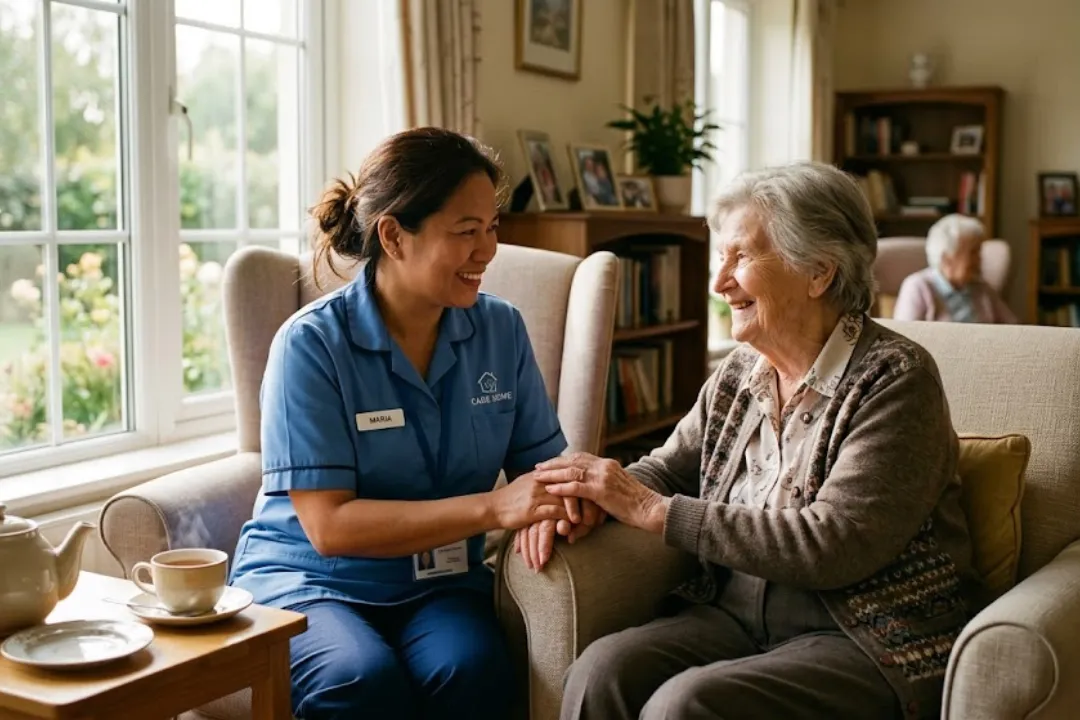
Ireland’s healthcare system is facing one of the most significant workforce challenges in its history. With an ageing population and a growing demand for both residential and home care services, the country desperately needs qualified, compassionate caregivers — and it’s willing to sponsor visas to get them.
If you’re a caregiver, healthcare assistant, or someone with a passion for supporting the elderly and vulnerable, caregiver jobs in Ireland in 2026 represent one of the most clearly structured pathways to working and living legally in Ireland. This guide walks you through everything — salary, qualifications, the visa route, and how to apply.
The Demand for Caregivers in Ireland in 2026
Ireland’s Health Service Executive (HSE) and private care providers are reporting significant staffing gaps. Key figures driving demand include:
- Over 800 nursing homes and residential care facilities nationwide
- A 25% increase in home care hours commissioned by the government since 2022
- A large retiring cohort of current care workers
- Rapid growth in private disability support services
The Irish government has placed care workers on the Critical Skills and General Employment Permit occupations list, streamlining the visa process for international recruits.
Caregiver Salary in Ireland 2026
Wages for caregivers in Ireland have improved substantially following sector-wide agreements:
- Healthcare assistant (entry level): €13.50 – €15/hour (approx. €28,000 – €31,000/year)
- Experienced care worker: €15 – €18/hour
- Senior care/team lead: €18 – €22/hour
- Home care worker (HSE contracted): €14.50 – €16/hour
Most positions offer full-time contracts (39 hours/week) plus overtime. Many employers provide shift allowances for nights and weekends, boosting total earnings significantly.
Qualifications You’ll Need
Ireland does not require a nursing degree for healthcare assistant roles, but you will need:
- QQI Level 5 in Healthcare Support (or equivalent qualification from your home country)
- Safe Pass (a basic Irish health and safety certification — can be done on arrival)
- Manual Handling Certificate
- Garda Vetting (Irish criminal background check — your employer arranges this)
- English language proficiency (most employers require IELTS 6.0 or equivalent)
Many employers accept overseas healthcare qualifications if they’re equivalent. Some larger care groups provide training to bridge any gaps.
Visa Sponsorship: How It Works in 2026
General Employment Permit
The General Employment Permit is the most common route for non-EEA caregivers. Your employer applies on your behalf to Enterprise Ireland. Key requirements:
- A confirmed job offer from a registered Irish employer
- Minimum annual salary of €30,000 (met by most full-time care roles in 2026)
- The employer must demonstrate recruitment efforts (labour market needs test)
- Permit validity: 2 years initially, renewable for 3 more
After 5 years of continuous employment, you can apply for permanent residency.
Critical Skills Employment Permit
Senior caregivers and supervisors with specific qualifications may qualify for the Critical Skills permit, which has a shorter processing time and allows for immediate family reunification.
How to Apply for Caregiver Jobs in Ireland
- Irish job boards: IrishJobs.ie, Jobs.ie, Indeed Ireland, and HSE Careers (hse.ie/careers) post the most vacancies.
- Care-specific recruiters: Cpl Healthcare, Flex Nursing, HMC Recruitment, and Recruitment Plus specialise in healthcare placements.
- Large care providers: Mowlam Healthcare, Cliste Healthcare, Caremark Ireland, and Comfort Keepers regularly recruit internationally.
- LinkedIn Ireland: Search “Healthcare Assistant Ireland” or “Care Worker Dublin” and apply directly.
- Prepare your documents early: CV, qualifications, English test results, and references should all be ready before you apply.
Frequently Asked Questions
Q: Which countries can apply for caregiver visa sponsorship in Ireland?
A: Nationals of any non-EEA country can apply for a General Employment Permit, provided they have a valid job offer from an Irish employer. Countries with particularly active recruitment pipelines include the Philippines, India, Zimbabwe, South Africa, and Nigeria.
Q: Do I need IELTS to work as a caregiver in Ireland?
A: Yes, most employers require English language proof. IELTS 6.0 or equivalent (such as OET B in healthcare) is typically expected. Some employers accept demonstrated proficiency through interview.
Q: Can I bring my family to Ireland on a caregiver work permit?
A: Yes. General Employment Permit holders can apply for family reunification after 12 months of residence. Critical Skills permit holders can apply immediately.
Q: Is accommodation provided for caregivers in Ireland?
A: Not typically as standard, though some rural care homes offer on-site accommodation. Urban employers rarely provide housing. Expect rent costs of €1,200 – €1,800/month in Dublin; lower in smaller towns.
Q: How long does the Irish work permit process take?
A: Currently 4–8 weeks from application submission. Times vary seasonally. Your employer’s HR team or a licensed immigration adviser can help speed up the process.
Conclusion
Caregiver jobs in Ireland in 2026 aren’t just jobs — they’re pathways to a stable, meaningful career in a country with a high standard of living, a strong social support system, and a genuine culture of welcome. The work is demanding, yes — it requires patience, empathy, and resilience. But it’s also profoundly rewarding.
If you have the heart for this work and the qualifications to match, Ireland’s care sector is waiting for you. Get your documents ready, apply early, and don’t underestimate how far your dedication can take you. Thousands of international caregivers have built wonderful lives here — you can too.