Imagine landing a full-time job in Spain without a university degree, without years of experience, and without speaking perfect Spanish. Sounds too good to be true? It genuinely isn’t. Food packing jobs in Spain in 2026 are among the most accessible entry points into the European labour market — and employers are hiring right now. Whether you’re a first-time jobseeker, a career changer, or someone building a new life in Europe, this guide covers everything: what the work involves, how much you’ll earn, which regions are hottest for hiring, and exactly how to apply — including visa routes for non-EU nationals.
Spain’s agri-food sector is the country’s second-largest export industry, valued at over €65 billion annually. It employs more than 500,000 workers — and persistent labour shortages mean employers are actively recruiting abroad, often with visa sponsorship included.
What Does a Food Packing Job in Spain Actually Involve?
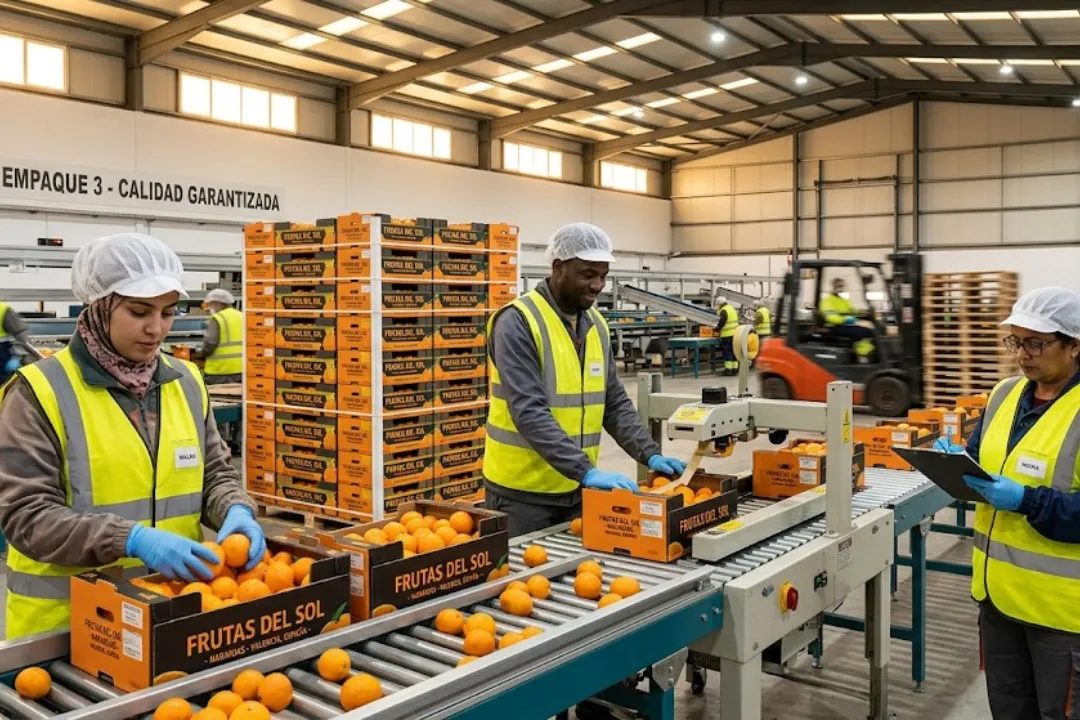
Food packing roles sit within Spain’s broader agri-food and food processing industry. On a typical shift you could be sorting, washing, and inspecting fresh produce such as fruit, vegetables, fish, or meat; manually packing products into boxes, trays, or sealed containers; operating semi-automated packing or labelling machinery; weighing, date-stamping, and quality-checking packaged goods; maintaining strict hygiene standards in a food-safe environment; or handling cold storage items including dairy, meat, and frozen goods.
No prior experience is required for most of these tasks. Employers train you on-site, typically within the first few days. What they’re genuinely looking for is reliability, physical stamina, and a willingness to follow food safety procedures consistently.
Food Packing Salaries in Spain 2026 – What You Can Realistically Earn
| Role | Monthly Salary | Notes |
|---|---|---|
| Entry-level packer | €1,134–€1,300 | No experience required |
| Experienced line packer | €1,300–€1,600 | 6+ months experience |
| Machine operator | €1,500–€1,900 | Training provided |
| Cold chain / meat packer | €1,400–€1,800 | + cold conditions allowance |
| Quality control inspector | €1,600–€2,100 | Some experience required |
| Team leader / supervisor | €2,000–€2,700 | Typically promoted internally |
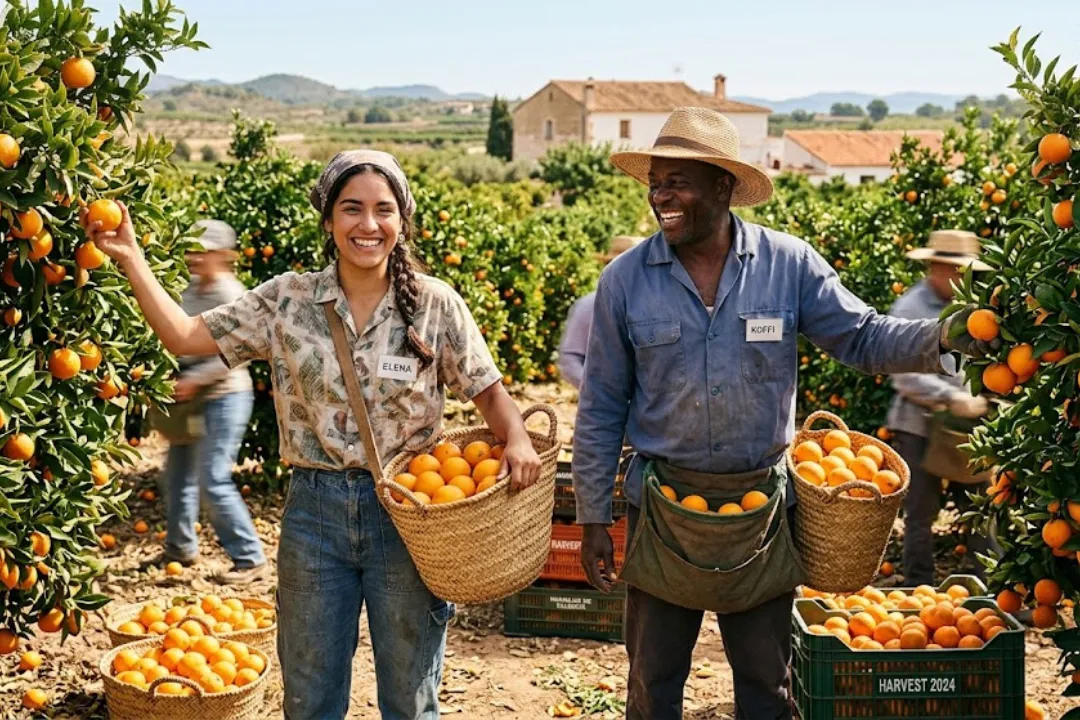
Night shifts, weekends, and seasonal peaks can add 25–40% on top of your base wage through premiums and overtime. Many seasonal campaigns — especially during fruit harvests in Huelva, Murcia, and Valencia — include free or subsidised accommodation and meals, which dramatically reduces your living costs and increases what you can actually save.
Real Story: Fatima arrived in Almería in 2024 from Morocco with no food industry background — she’d previously worked in retail. Within three days of starting at a produce packing cooperative, she was fully trained on quality inspection and box packing. By month four she had a permanent contract and a pay rise to €1,420/month. “The work is physical,” she said, “but it’s consistent and I’m saving money for the first time in years.” She renewed her visa and brought her sister the following season. Her story isn’t exceptional — it’s a pattern repeated across Spain’s agricultural south every year.
Where Are Food Packing Jobs Most Available in Spain?
Spain’s food industry is strongly regionalised. The highest-demand areas right now are Almería and Murcia (greenhouse vegetables and fruit export hubs), Huelva (strawberry and berry packing, February through June), Valencia and Castellón (citrus, oranges, and frozen food lines), Galicia (fish, seafood, and canned goods), Aragón and Navarra (meat processing and ready meals), and Catalonia (large-scale industrial food manufacturing).
Seasonal vs permanent roles: Seasonal positions are easier to enter, often include housing, and can lead to permanent offers — ideal for building your Spanish work record. Permanent roles offer year-round income stability, full social security rights, and a clear path toward EU residency and internal promotion.
Work Visa Options for Non-EU Food Packing Workers
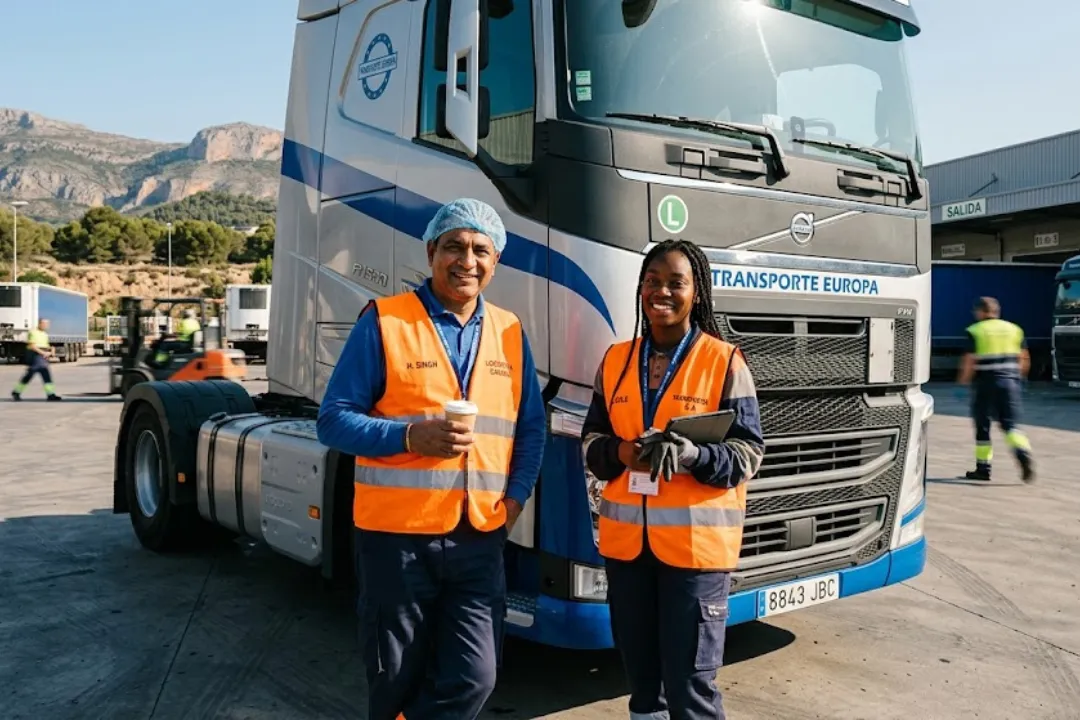
Seasonal agricultural work visa (Contrato en Origen): The most common route. Spain recruits directly from countries including Morocco, Senegal, Colombia, Honduras, and Ecuador under bilateral agreements. Contracts typically run 3–9 months, often with employer-provided housing. Many workers return year after year, and some transition to permanent residency over time.
Standard work permit (Autorización de Residencia y Trabajo): For non-seasonal, permanent food industry roles. The employer applies on your behalf. A labour market test is required, but food processing plants regularly pass this due to consistent local shortages. Processing takes 4–12 weeks once documents are correctly submitted.
EU long-term residency: After five cumulative years of legal residency and employment in Spain, you can apply for EU long-term resident status — granting significantly expanded rights across all 27 EU member states.
Pro tip: Staffing agencies like Exus Staff, Eurofirms, and Randstad España handle visa paperwork as part of their placement service, dramatically reducing the admin burden on you.
Top Employers Hiring Food Packers in Spain in 2026
The most consistent large-scale hirers include Mercadona (Spain’s largest supermarket chain, with major packing facilities), Grupo Fuertes (one of Europe’s largest meat processors, based in Murcia), Bonduelle España (canned and frozen vegetable processing), Nueva Pescanova (seafood processing, primarily in Galicia), Florette Ibérica (fresh-cut salad and vegetable packing in Navarra), Lidl and Carrefour Spain (regional distribution and packing centres), and the network of agricultural cooperatives across Almería, Murcia, and Valencia.
How to Apply – Step by Step
Step 1 – Build your CV in Spanish. Keep it to one page. Highlight any physical work, reliability, or teamwork experience — even from completely different industries. Use the free Europass CV format at europass.europa.eu, which is well-recognised by Spanish employers.
Step 2 – Search the right platforms. Use InfoJobs.net, Indeed.es, Agrojobs.es (specialist food and agricultural roles), and LinkedIn. Search terms like operario/a de producción alimentaria, envasador/a, or manipulador/a de alimentos will surface the most relevant results.
Step 3 – Register with ETT staffing agencies. Adecco, Manpower, Randstad, Eurofirms, and Exus Staff place food packing workers year-round — including internationally. Register online, specify food industry availability, and note your willingness to relocate regionally. Many handle visa sponsorship for non-EU candidates directly.
Step 4 – Apply through Spain’s official seasonal programme. If your country has a bilateral agreement with Spain, check SEPE (sepe.es) for official seasonal recruitment campaigns. These are government-managed, legally regulated, and often include employer-arranged housing.
Step 5 – Begin your visa process promptly. With a signed employment contract, visit the nearest Spanish consulate in your home country. You’ll need a valid passport, an apostilled criminal record certificate, a medical certificate, and the signed contract. Allow 4–12 weeks for processing.
Step 6 – Register on arrival. Go to your local town hall (ayuntamiento) to complete your empadronamiento (local registration) and obtain your NIE number. Both are required to receive wages and access healthcare.
Frequently Asked Questions
Q: Do I need experience to get a food packing job in Spain? A: No. Most roles are entry-level and employers provide full on-the-job training within the first week. Reliability and physical fitness matter far more than prior food industry experience.
Q: Can I work in Spanish food packing without speaking Spanish? A: Basic Spanish is helpful but not always essential, particularly in internationally-recruited regions like Almería, Huelva, and Murcia where many facilities have multilingual supervisors. Learning basic safety vocabulary will genuinely improve both your work experience and daily life.
Q: Is accommodation provided with food packing jobs in Spain? A: For seasonal harvest campaigns, many employers provide free or subsidised shared accommodation. For permanent urban factory roles, you’ll typically arrange your own housing, though agencies often assist with this too.
Q: How much can I realistically save on a food packing wage in Spain? A: If accommodation and transport are covered — common in seasonal roles — a packer earning €1,300/month can save €600–€900 monthly. Over a full 6-month season, that’s potentially €3,600–€5,400 saved — a genuinely life-changing amount in many home countries.
Q: Can a seasonal food packing contract lead to permanent residency in Spain? A: Yes, over time. Workers who return consistently build a legal employment record. After five cumulative years of legal residency, you can apply for EU long-term resident status. Many also convert from seasonal to permanent contracts within 1–2 years when employers have year-round production needs.
You Don’t Need a Perfect CV — You Need the Right Information
We know that applying for work in a foreign country feels daunting. The paperwork, the uncertainty, the language barrier — it’s a lot to carry. But here’s what’s also true: thousands of people from Morocco, Ecuador, Senegal, and the Philippines are packing fruit in Huelva, processing seafood in Galicia, and building genuinely stable lives in Spain right now. They started exactly where you are. They didn’t wait until everything felt certain.
Food packing work isn’t glamorous — but it’s honest, accessible, and for many people, it’s the door into Europe that nothing else could open. The sector needs workers. The law creates pathways. The demand is real. So don’t wait for the perfect moment. Update that CV today. Register with an agency this week. Send that first application. Your situation can change — and it can start changing faster than you think.