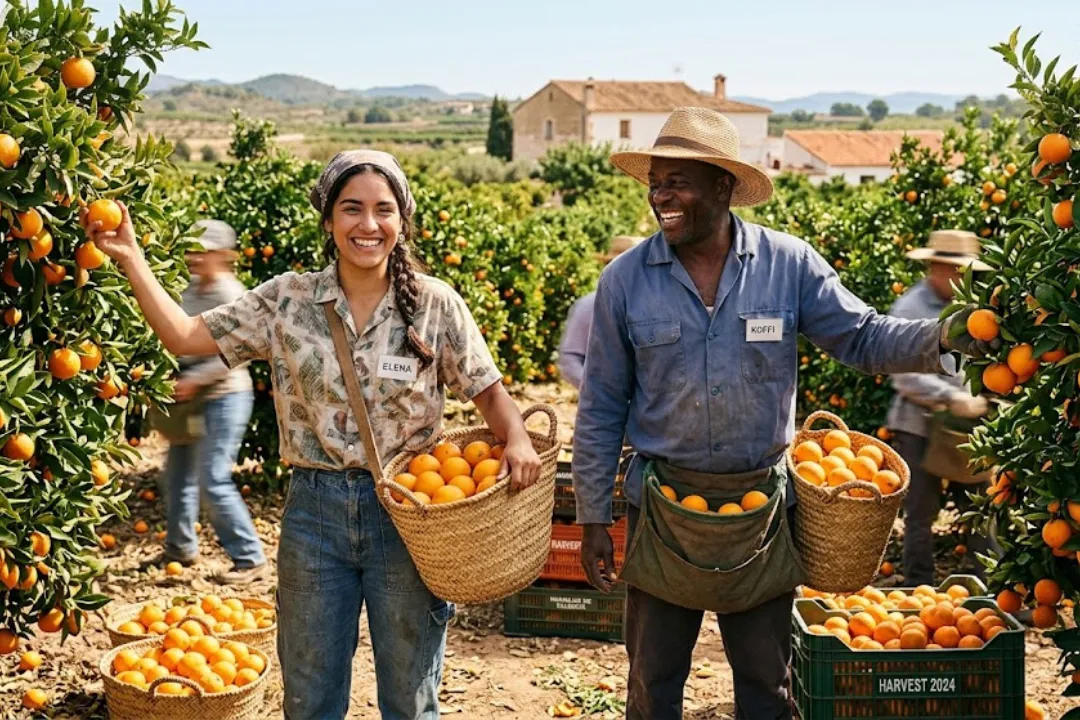
Imagine waking up to golden sunshine, stepping outside into rows of orange trees or strawberry fields, and earning a solid wage while your accommodation is taken care of. That’s the reality for thousands of seasonal farm workers in Spain every year — and in 2026, the demand for agricultural labour has never been higher.
Spain is one of Europe’s largest agricultural producers, and its farms rely heavily on seasonal workers to bring in harvests of olives, strawberries, tomatoes, grapes, and citrus fruits. If you’re looking for farm jobs in Spain with free accommodation, a fresh start abroad, or simply a way to fund travel through Europe, this guide has everything you need to know.
Why Spain’s Farms Are Hiring in 2026
Spain’s agricultural sector contributes over €30 billion to the national economy and employs hundreds of thousands of seasonal workers each year. Regions like Huelva (strawberries), Murcia (salads and peppers), Valencia (citrus), and La Rioja (wine grapes) generate massive seasonal labour demand.
The sector continues to face shortages of willing local workers, driving farms to recruit internationally — and increasingly, to offer free accommodation, meals, and transport as part of the package to attract reliable workers from abroad.
Farm Worker Salary in Spain 2026
Pay for farm work in Spain is regulated by sector agreements and has improved in recent years:
- Average daily rate: €50 – €80/day (depending on crop and region)
- Monthly earnings (full-time seasonal): €1,200 – €1,600/month
- With overtime and piece-rate bonuses: up to €1,900/month
Many employers providing free accommodation and meals effectively increase your take-home pay significantly — your living costs drop to near zero during the season.
Top Regions and Harvest Seasons
When and Where to Go
Spain’s agricultural calendar means work is available almost year-round in different regions:
- January – April: Strawberries in Huelva (Andalusia)
- April – June: Asparagus and stone fruit in Extremadura and Murcia
- June – August: Tomatoes, peppers, and melons in Murcia and Almería
- September – November: Grape harvest (vendimia) in La Rioja, Castilla, and Catalonia
- October – December: Olive harvest across Andalusia and Catalonia
Free Accommodation: What to Expect
Many farms — particularly large agribusinesses in Huelva and Almería — provide on-site worker housing. Here’s what that typically looks like:
- Shared dormitory or bunk-style rooms (4–8 people per room)
- Basic kitchen and bathroom facilities
- Some larger farms provide canteen meals
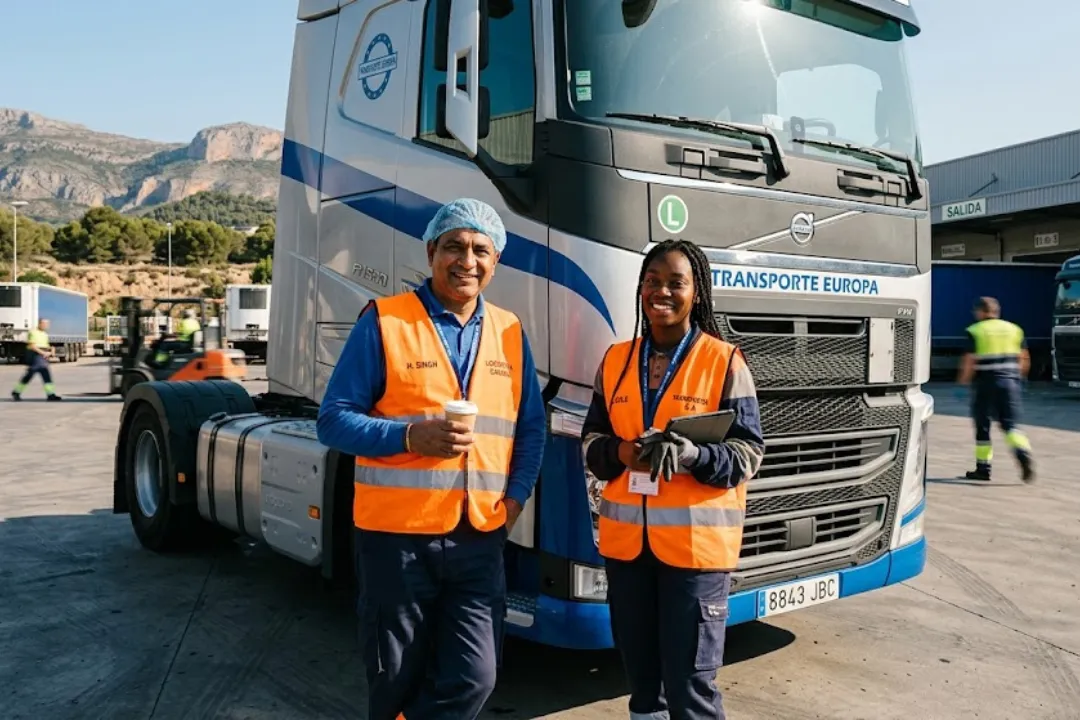
- Transport from accommodation to fields is often included
The quality varies — it’s honest work in functional conditions. Some employers have invested in upgraded worker housing in response to EU scrutiny of agricultural labour conditions in recent years.
Visa & Legal Requirements for Farm Work
EU/EEA citizens can work immediately with just registration. Non-EU workers have several options:
- Spain’s Circular Migration Programme: Spain has bilateral agreements with countries including Morocco, Senegal, and several Latin American nations. These allow workers to enter on temporary work visas specifically for agricultural seasons.
- General Work Permit via Employer Sponsorship: A Spanish farm employer applies for your permit through the Ministry of Inclusion.
- Working Holiday Visas: Available for citizens of certain countries (e.g., Australia, New Zealand, Canada) aged 18–35.
How to Apply for Farm Jobs in Spain
- Apply through Spain’s Public Employment Service (SEPE): The SEPE posts seasonal agricultural vacancies and coordinates bilateral recruitment for non-EU workers.
- Use dedicated agricultural job platforms: Agrojobs.es, Jornaleros.org, and InfoJobs Agriculture section.
- Contact farms directly: Many farms in Huelva and Murcia accept direct applications through their websites.
- Use recruitment agencies: Companies like Eurofirms, Adecco Agro, and Manpower España place seasonal workers.
- Community networks: Many workers find positions through diaspora networks and online communities for Spanish agriculture workers.
Frequently Asked Questions
Q: Do I need experience to get a farm job in Spain?
A: No formal experience is required for most picking and harvesting roles. Physical fitness and a willingness to work outdoors in varying weather are more important.
Q: Is free accommodation always provided?
A: Not always — it depends on the employer and region. Farms in Huelva and Almería are most likely to offer on-site housing. Always confirm this before accepting an offer.
Q: How long do seasonal farm contracts last?
A: Most seasonal contracts run 2–6 months, aligned with harvest cycles. Some workers return for multiple seasons.
Q: Can I bring my family on a seasonal farm work visa?
A: Seasonal agricultural visas typically do not include family reunification rights. Longer-term work permits may allow dependants after a period of residence.
Q: What are the working conditions like on Spanish farms?
A: Working hours are typically 8 hours/day, 5–6 days a week. EU labour law protections apply, including minimum wage and safe working conditions. Conditions vary by employer.
Conclusion
Farm jobs in Spain in 2026 offer something genuinely valuable: honest work, a fair wage, the chance to save money (especially with free accommodation), and a foot in the door to life in one of Europe’s most beautiful countries. The work is physical and the days are long — but so are the sunsets over the Spanish countryside.
If you’re ready to roll up your sleeves, Spain’s harvests are waiting. Do your research, apply early (especially for strawberry season which fills up fast), and take the leap. Many people who came for one season ended up building a new life here entirely.